Rudi Johnson

Rudi Johnson carved out a solid NFL career as a powerful running back who could pound through defenses and rack up serious yardage. This guide is perfect for football fans curious about players from the 2000s era, fantasy football enthusiasts researching past performers, and anyone interested in Cincinnati Bengals history.
We'll explore Johnson's journey from Auburn University to becoming Cincinnati's featured back, diving into his impressive rushing statistics and memorable playoff performances. You'll also learn about his bruising running style that made him a fan favorite, plus what challenges derailed his career and what he's up to these days after hanging up his cleats.
Early Life and Path to Professional Football

Childhood in Detroit and Athletic Development
Rudi Johnson was born on October 1, 1979, in Detroit, Michigan, a city known for producing tough, resilient athletes. Growing up in the Motor City during the 1980s and 1990s, Johnson was surrounded by a culture that valued hard work and determination. His athletic prowess became evident early on, as he displayed natural speed and agility that set him apart from his peers.
Detroit's challenging urban environment helped shape Johnson's competitive spirit and work ethic. He participated in various youth sports programs throughout the city, developing fundamental athletic skills that would serve him well in his future football career. The strong community support system in Detroit's athletic programs provided Johnson with mentorship and guidance during his formative years.
High School Football Achievements and Recruitment
Johnson attended Mumford High School in Detroit, where he quickly established himself as one of the most promising running backs in Michigan high school football. His combination of speed, vision, and power made him a standout player in the highly competitive Detroit Public School League.
During his senior season, Johnson rushed for over 1,500 yards and scored numerous touchdowns, earning All-State honors. His impressive performances caught the attention of college scouts from across the country. Johnson's ability to break tackles and find gaps in opposing defenses made him a coveted recruit.
Major college programs began pursuing Johnson aggressively, recognizing his potential to make an immediate impact at the collegiate level. His highlight reels showcased explosive runs and his knack for finding the end zone, making him one of the top running back prospects in the state of Michigan.
College Career at Auburn University
Johnson chose to attend Auburn University, joining the Tigers' football program in 1998. The transition from Detroit to Alabama represented a significant cultural shift, but Johnson adapted quickly to the rigorous demands of SEC football. Auburn's coaching staff recognized his talent and began incorporating him into their offensive schemes early in his college career.
Playing in the competitive Southeastern Conference, Johnson faced some of the nation's top defenses week after week. He gradually earned more playing time, showcasing his versatility as both a runner and receiver out of the backfield. His college statistics reflected steady improvement throughout his tenure at Auburn.
Johnson's time at Auburn helped refine his technical skills while maintaining the raw athleticism that made him special. The coaching staff worked extensively on his pass-catching abilities and pass protection, skills that would prove valuable in his professional career. His work ethic in practice and dedication to improvement impressed teammates and coaches alike.
Draft Selection and Transition to NFL
Despite his solid college performance, Johnson went undrafted in the 2001 NFL Draft, a disappointment that fueled his determination to prove doubters wrong. The Cincinnati Bengals recognized his potential and signed him as an undrafted free agent, giving him an opportunity to compete for a roster spot.
Johnson's path to the NFL wasn't typical for a future starting running back, but his Detroit upbringing had prepared him for adversity. He approached training camp with the mindset that he had nothing to lose and everything to gain. His performance during preseason games and practices impressed the Bengals' coaching staff, earning him a spot on the active roster.
The transition from college to professional football required Johnson to elevate his game significantly. NFL defenses were faster and more complex than anything he had faced at Auburn. He spent countless hours studying film and working with coaches to understand defensive schemes and improve his decision-making as a runner.
NFL Career Highlights and Performance Statistics
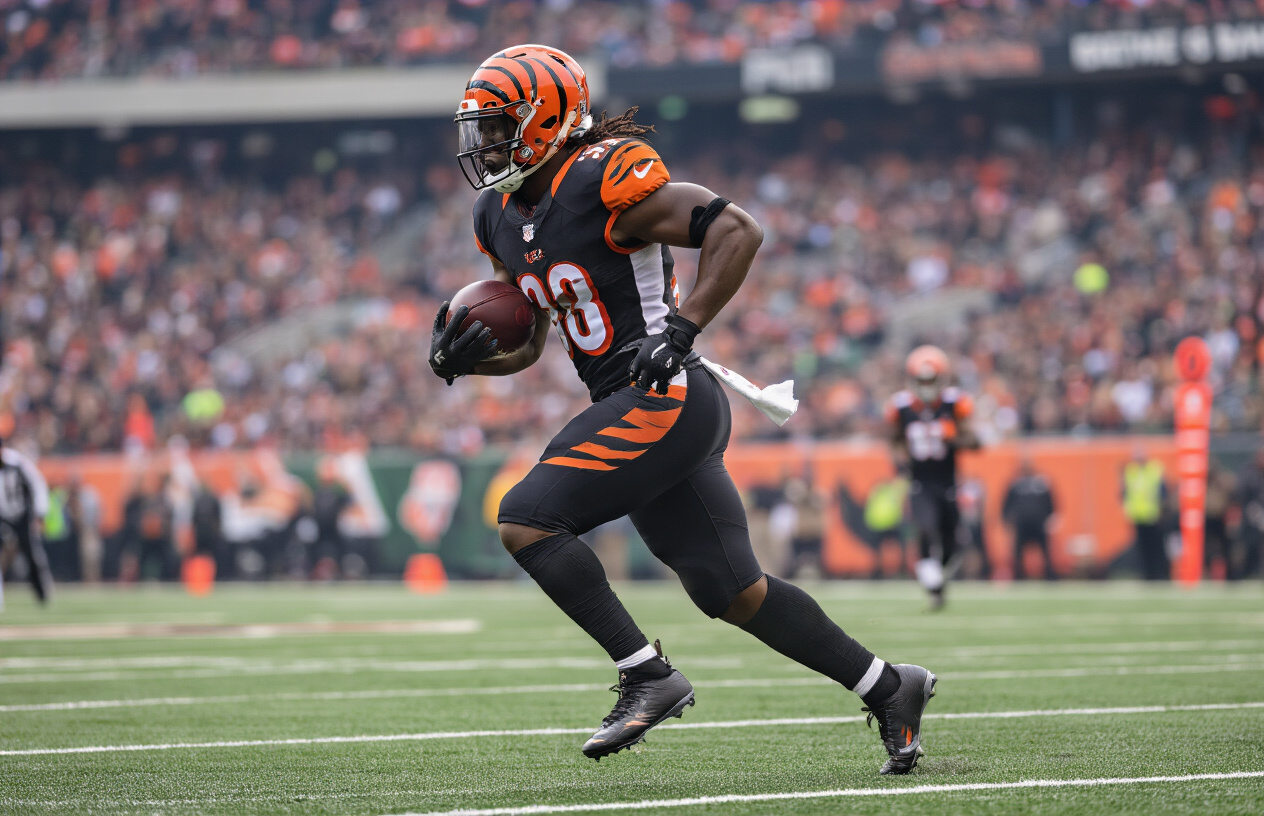
Cincinnati Bengals tenure and breakthrough seasons
Rudi Johnson's most defining NFL years came during his time with the Cincinnati Bengals, where he transformed from an overlooked rookie into one of the league's most reliable ground threats. After being selected in the fourth round of the 2001 NFL Draft, Johnson spent his first season primarily on special teams and as a backup, but his patience paid off when opportunities arose.
The 2003 season marked Johnson's emergence as a featured back. With starter Corey Dillon dealing with injuries and off-field issues, Johnson stepped up and rushed for 957 yards on 215 carries, averaging 4.5 yards per attempt. This performance established him as a legitimate NFL starter and caught the attention of coaches and fans alike.
Johnson's true breakout came in 2004 when he exploded onto the scene with 1,454 rushing yards, becoming just the second player in Bengals history to surpass the 1,400-yard mark. His powerful running style and ability to break tackles made him the perfect complement to quarterback Carson Palmer's developing aerial attack. The 2005 season proved even better, as Johnson rushed for a career-high 1,458 yards and 12 touchdowns, helping lead the Bengals to their first playoff appearance since 1990.
During his peak years from 2004-2006, Johnson became the cornerstone of Cincinnati's ground game, providing the physical presence and consistency that allowed the team's offense to flourish under head coach Marvin Lewis.
Key rushing records and milestone achievements
Johnson's statistical accomplishments during his Cincinnati tenure place him among the franchise's all-time greats. His back-to-back 1,400-yard seasons in 2004 and 2005 represent some of the finest individual rushing performances in Bengals history. Only Corey Dillon had previously achieved similar rushing totals for the organization.
The 2004 campaign saw Johnson average 4.9 yards per carry while scoring nine touchdowns, but his 2005 season stands as his masterpiece. That year, he carried the ball 337 times for 1,458 yards and 12 touchdowns, establishing career highs in all three categories. His 337 carries ranked among the league leaders and demonstrated his durability and ability to handle a heavy workload.
| Season | Rushing Yards | Carries | Touchdowns | Yards/Carry |
|---|---|---|---|---|
| 2004 | 1,454 | 297 | 9 | 4.9 |
| 2005 | 1,458 | 337 | 12 | 4.3 |
| 2006 | 1,309 | 341 | 12 | 3.8 |
Johnson's three consecutive 1,000-yard seasons from 2004-2006 represented remarkable consistency. He finished his Bengals career with 5,421 rushing yards and 33 touchdowns, ranking him among the top rushers in franchise history. His ability to score in short-yardage situations made him particularly valuable, as evidenced by his 24 touchdowns in the 2005-2006 seasons combined.
Playoff performances and team contributions
Johnson's most memorable moment came during the Bengals' 2005 playoff run, their first postseason appearance in 15 years. In the wild-card game against the Pittsburgh Steelers, Johnson rushed for 76 yards on 20 carries, providing steady production despite facing one of the league's toughest defenses.
The playoff game showcased Johnson's value beyond pure statistics. His physical running style and ability to control the clock helped keep Cincinnati competitive against a Steelers team that would go on to win the Super Bowl. Though the Bengals ultimately lost in a heartbreaking fashion, Johnson's performance demonstrated his capability to produce on the biggest stage.
Beyond individual games, Johnson's impact on the Bengals extended to his role as a leader and mentor. His work ethic and professional approach helped establish a winning culture in Cincinnati after years of struggles. Teammates often praised his preparation and dedication, qualities that made him a natural choice for leadership responsibilities.
Johnson's pass-catching ability also added another dimension to his game, as he recorded 127 receptions for 1,017 yards during his Cincinnati career. This versatility allowed the Bengals to utilize him in various offensive packages and created additional matchup problems for opposing defenses. His contributions helped transform Cincinnati from perennial cellar-dwellers into playoff contenders during the mid-2000s.
Playing Style and Physical Attributes
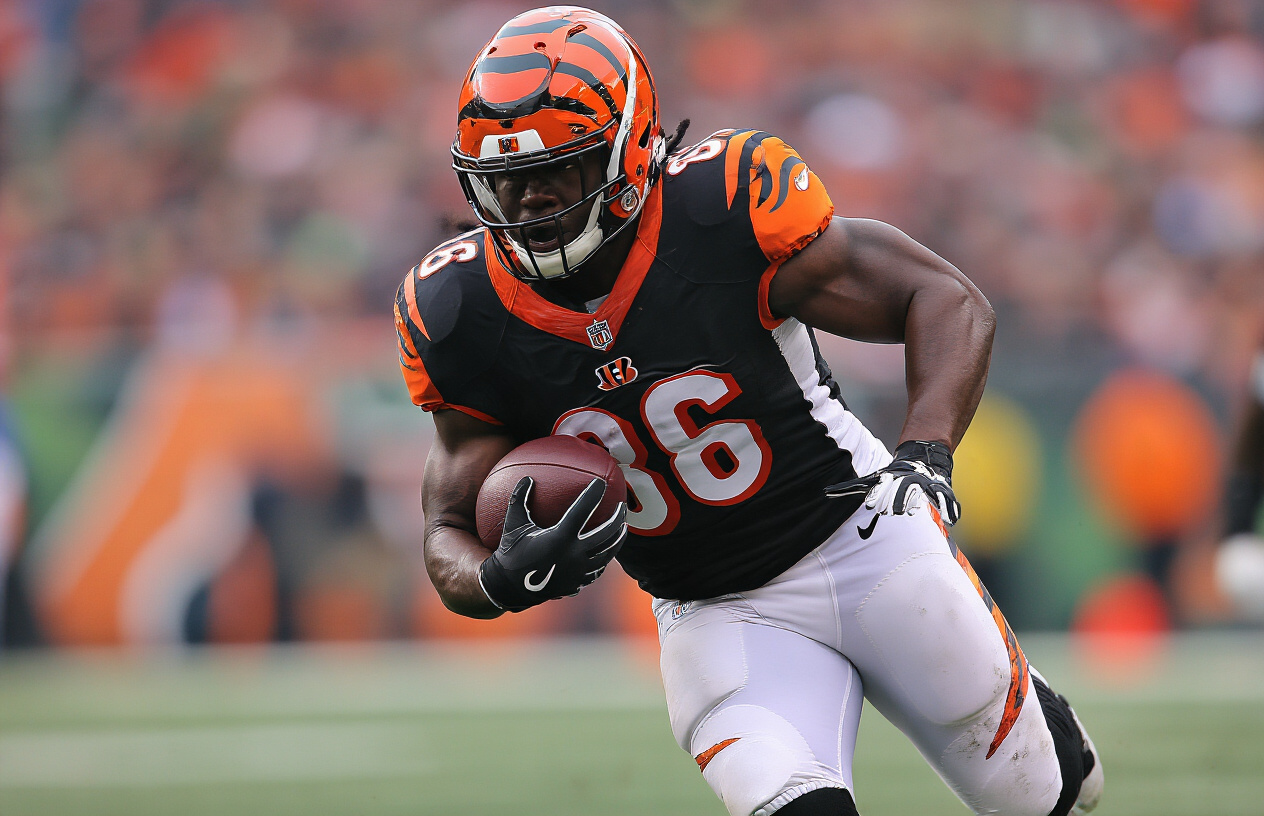
Running technique and field vision analysis
Rudi Johnson brought a methodical, power-based approach to the running back position that perfectly complemented his physical build. Standing at 5'10" and weighing around 220 pounds, he ran with surprising patience for a player of his size. Johnson rarely tried to bounce runs outside or make defenders miss with fancy footwork. Instead, he relied on reading blocks and hitting holes with decisive authority.
His vision between the tackles was exceptional. Johnson had an innate ability to identify the correct gap before the blocking scheme fully developed, allowing him to get north-south quickly. He didn't dance behind the line of scrimmage like many contemporary backs. Once he saw his opening, Johnson would plant his foot and explode forward with remarkable burst for his size.
What made Johnson particularly effective was his understanding of timing. He knew exactly when to be patient and let blocks develop versus when to hit a seam immediately. This football intelligence, combined with his natural running instincts, made him incredibly reliable in crucial situations where teams needed guaranteed yardage.
Durability and workload management
Johnson's durability became one of his defining characteristics during his peak seasons with Cincinnati. His ability to handle heavy workloads while maintaining effectiveness throughout games and entire seasons made him invaluable to the Bengals' offensive system.
During his prime years from 2004 to 2006, Johnson consistently carried the ball over 340 times per season, with his 2005 campaign seeing 361 carries. What impressed coaches and teammates was how he seemed to get stronger as games progressed. His conditioning and preparation allowed him to maintain his power running style even in fourth-quarter situations when other backs might fade.
Johnson's running style actually contributed to his durability. Rather than absorbing punishment by trying to run through multiple defenders, he was smart about when to go down and when to fight for extra yards. He understood that taking unnecessary hits in the first quarter could affect his availability in critical late-game moments.
Goal line effectiveness and short-yardage success
Few running backs in the mid-2000s were as reliable as Johnson when teams needed short yardage or goal line conversions. His combination of size, power, and low center of gravity made him nearly unstoppable in situations requiring just a yard or two.
Johnson's goal line success stemmed from his exceptional leg drive and ability to stay upright through contact. He would often drag multiple defenders for extra yards, making him perfect for situations where defenses knew exactly what was coming but couldn't stop it anyway.
His short-yardage conversion rate was particularly impressive on third and fourth down situations. Johnson had the rare ability to find small creases in crowded defensive fronts and squeeze through them before defenders could react. This reliability earned him the trust of coaches who knew they could count on him to move the chains when the offense needed it most.
Career Challenges and Setbacks
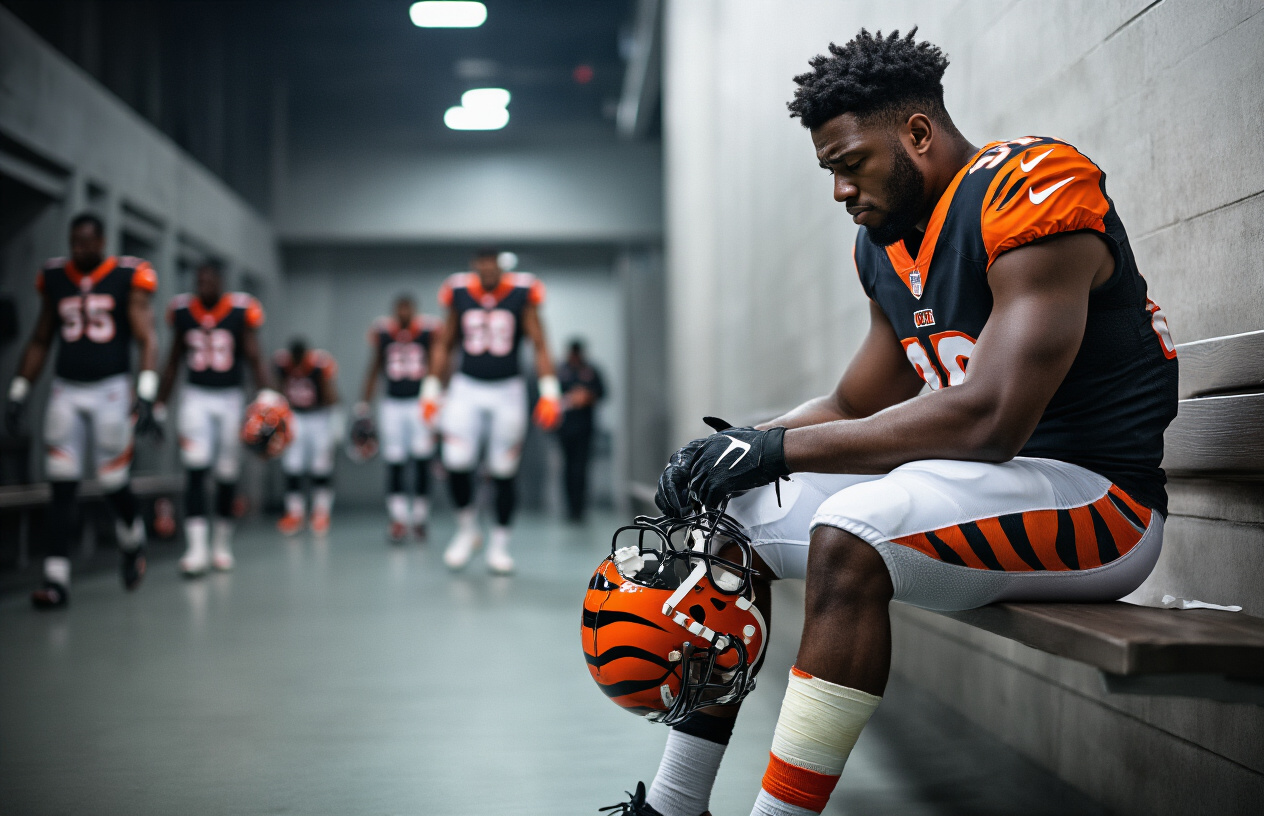
Injury Struggles and Recovery Periods
Rudi Johnson's NFL journey was marked by persistent injury battles that significantly impacted his career trajectory. His most notable setback came during the 2005 season when he suffered a back injury that would plague him for years to come. The injury occurred during what should have been his prime years, forcing him to miss crucial games and limiting his effectiveness on the field.
The back problems weren't just a one-time issue. Johnson dealt with recurring disc problems that required constant management and rehabilitation. These injuries affected his running style, as he couldn't plant and cut with the same explosive power that made him effective in his early career. The physical toll was evident in his decreased yards per carry and reduced burst through gaps.
Johnson also battled various other injuries throughout his career, including hamstring strains and ankle problems. These seemingly minor injuries often lingered longer than expected, creating a domino effect that kept him sidelined for extended periods. The cumulative impact of these injuries meant he was rarely at 100% health during his later NFL seasons.
Recovery periods became increasingly difficult as Johnson aged. What once took weeks to heal began taking months, and the mental aspect of constant rehabilitation wore on him. His dedication to getting back on the field was never questioned, but his body simply couldn't keep up with the demands of professional football at the highest level.
Team Transitions and Roster Changes
Johnson's career was significantly affected by organizational changes within the Cincinnati Bengals. When Marvin Lewis took over as head coach in 2003, the team's offensive philosophy began shifting, which initially benefited Johnson as he became the featured back. However, subsequent coaching changes and front office decisions created uncertainty about his role.
The Bengals' drafting of other running backs created additional pressure on Johnson's position. When the team selected Chris Perry in the first round of the 2004 draft, it signaled their intent to develop depth at the position. Perry's college pedigree and draft status made him an immediate threat to Johnson's carries, even though injuries limited Perry's impact.
Personnel changes in the offensive line also affected Johnson's performance. The retirement and departure of veteran linemen who understood his running style forced him to adapt to new blocking schemes and different timing. These transitions weren't always smooth, and Johnson's production suffered during periods of offensive line instability.
Contract negotiations added another layer of complexity to his situation. As his rookie contract expired, the Bengals had to decide whether to commit long-term money to Johnson or explore other options. The uncertainty surrounding his future with the team affected his focus and created tension during what should have been productive seasons.
Competition for Starting Positions
The emergence of younger running backs created intense competition for Johnson throughout his career. Kenny Watson, who joined the Bengals as an undrafted free agent, gradually carved out a significant role in the offense. Watson's versatility as both a runner and receiver made him an attractive option for coaches looking to create matchup problems.
Johnson faced the challenge of proving his worth against players who were often healthier and hungrier for opportunities. The NFL's youth-oriented approach meant that teams were always looking for the next big thing at running back, putting veteran players like Johnson in precarious positions.
The competition wasn't just about raw talent. Younger players often had advantages in terms of salary cap implications and long-term potential. Johnson had to consistently outperform these challengers while dealing with his own physical limitations and injury concerns.
Special teams contributions became another factor in roster battles. While Johnson was primarily a between-the-tackles runner, coaches increasingly valued running backs who could contribute in multiple phases of the game. This evolution in roster construction worked against Johnson's skill set and reduced his overall value to the team.
The constant need to look over his shoulder and prove himself again and again took a mental toll. Johnson went from being the unquestioned starter to fighting for carries on a weekly basis, a transition that many veteran players struggle to navigate successfully.
Post-NFL Life and Current Activities

Retirement Transition and Business Ventures
After hanging up his cleats in 2009, Rudi Johnson faced the same challenge that confronts many professional athletes - figuring out what comes next. The transition from the structured world of the NFL to civilian life proved both challenging and rewarding for the former Cincinnati Bengals running back.
Johnson channeled his competitive drive into the business world, exploring various entrepreneurial opportunities. He developed interests in real estate investment and small business ventures, applying the same work ethic that made him successful on the football field to his new endeavors. His approach to business reflected his methodical playing style - careful planning, attention to detail, and steady execution.
The former Auburn star also ventured into sports-related businesses, leveraging his football knowledge and connections. He explored opportunities in youth sports development and training facilities, recognizing the growing market for specialized athletic instruction. These ventures allowed him to stay connected to the sport while building financial security for his family's future.
Community Involvement and Charitable Work
Johnson never forgot his roots or the communities that supported him throughout his career. His charitable efforts have focused primarily on youth development and education initiatives, particularly in the Cincinnati area where he spent the majority of his NFL career.
He established programs aimed at helping underprivileged youth access sports and educational opportunities. Through partnerships with local schools and community centers, Johnson has provided resources for athletic equipment, scholarships, and mentorship programs. His hands-on approach means he's often personally involved in these initiatives rather than simply writing checks.
The former running back has also supported causes related to health and wellness, drawing from his own experiences with injuries and recovery. He's participated in awareness campaigns about concussion safety and the importance of proper medical care for young athletes. His work extends beyond football, encompassing broader community health initiatives and supporting local food banks and family assistance programs.
Media Appearances and Football Commentary
Johnson has made selective appearances in sports media, offering insights into the game from a player's perspective. His commentary work has included guest spots on local Cincinnati sports radio shows and occasional television appearances during college football season, where he provides analysis on running back play and NFL draft prospects.
His media presence remains measured and thoughtful, much like his playing style. Johnson brings credibility to his commentary through his extensive NFL experience and his ability to break down complex plays in accessible terms. He's particularly effective when discussing the physical and mental demands of playing running back at the professional level.
The former Bengal has also participated in NFL reunion events and documentary projects that examine the evolution of the running back position in modern football. His perspective on the changes in the game since his playing days provides valuable historical context for fans and media members alike.

Rudi Johnson's football journey shows us how talent, hard work, and determination can take someone from small-town beginnings to NFL stardom. His powerful running style and ability to pound through defenses made him a key player during his prime years, especially with the Cincinnati Bengals. While injuries and setbacks tested his resilience, Johnson proved that success isn't just about avoiding challenges—it's about how you handle them when they come your way.
Today, Johnson's story reminds us that athletic careers are just one chapter in a person's life. His transition from professional football to his current pursuits demonstrates the importance of planning for life beyond the game. For young athletes looking up to players like Johnson, the real lesson isn't just about reaching the NFL—it's about building character, staying grounded, and being ready to reinvent yourself when one dream ends and another begins.





0 Comments